
The Illusion of Choice
We are told we are freer than any generation before us.
More options. More platforms. More identities. More voices.
The illusion of choice is not created by limiting options, but by overloading them.
When everything is available, nothing is deeply chosen. Decision fatigue replaces discernment. Convenience replaces conviction. What looks like freedom is often just pre-selected pathways dressed up as possibility.
The illusion of choice pulls us away from God through distraction.
It gently convinces the feminine soul that freedom is found in endless options, constant customization, and total control. That we are safest when nothing asks us to pause, submit, or listen. But God is not revealed through infinite choices, He is revealed through alignment. Through stillness. Through surrender.
A curated world teaches women to scroll instead of rest, to compare instead of commit, to curate instead of trust. We learn to choose aesthetics over truth, convenience over wisdom, self-direction over divine guidance. Slowly, quietly, choice replaces devotion.
We don’t drift from God because He leaves. We drift because endless options dull our sensitivity to His voice.
And yet, beneath the noise, beneath the algorithms and decisions and performances of freedom, the soul still aches to be led, not by trends or desire, but by something eternal.
Choice Without Consciousness Is Not Freedom
Most of what we call “choice” today is reactive.
Algorithms suggest. Trends normalize. Social pressure rewards. Trauma steers.
We think we’re choosing a partner, a belief, a lifestyle... but often we’re just selecting from what has been placed in front of us repeatedly until it feels familiar enough to trust.
Familiarity is not truth.
Repetition is not alignment.
In a curated world, the loudest option often wins, not the wisest.
How the Illusion Shapes Our Lives
We curate ourselves the same way platforms curate content.
We choose careers that look stable, relationships that look acceptable, identities that perform well socially.
We optimize for visibility, approval, and safety... then wonder why life feels hollow.
The tragedy isn’t that we choose “wrong.”
It’s that we rarely choose at all.
Many lives are lived on autopilot, following paths that were never consciously examined. When discomfort appears, we assume something is wrong.
Instead of recognizing that discomfort is often the first sign of awakening discernment.
The curated world rewards ease. Reality demands responsibility.
Relationships Under the Illusion
Nowhere does the illusion of choice whisper more seductively than in the realm of relationships.
Modern romance is curated to look abundant: endless profiles, endless potential, endless promise. Yet beneath the glamour, it trains the heart to skim instead of settle, to sample instead of savor. People become options, not encounters. Energy is compared, not honored.
When connection asks for presence, patience, or emotional maturity, the illusion murmurs: there is always something shinier, easier, newer. And so intimacy is postponed, depth feels inconvenient, and devotion is misread as limitation.
But the most sacred relationship is not the one you chase, it is the one you cultivate within.
Refinement begins when you stop outsourcing fulfillment to imagined futures and illusory connections, and start curating yourself with discernment. Your values. Your boundaries. Your standards of love.
From this inner order, true relationships emerge.
Not chaotic, not addictive, not performative, but calm, reciprocal, and clean.
Real connection is not loud. It is safe.
Not excessive. Intentional.
Not replaceable. Chosen.
A world drunk on options forgets this truth: love does not grow where everything is optional. It grows where there is presence, responsibility, and the quiet power to stay without fear, without toxicity, and without illusion.
Wicked Reality: Choice as a Tool of Control
The illusion of choice is one of the most effective tools of modern control.
When people believe they are free, they rarely question the system. When responsibility is framed as “personal preference,” systemic influence disappears from view.
You blame yourself for dissatisfaction instead of examining the environment that shaped your decisions.
You think:
“I chose this life.”
“I chose this partner.”
“I chose this belief.”
But did you?
Or were you gently nudged, rewarded, punished, and conditioned until only certain choices felt possible?
Control no longer needs force. It needs agreement.
That is our wicked reality.
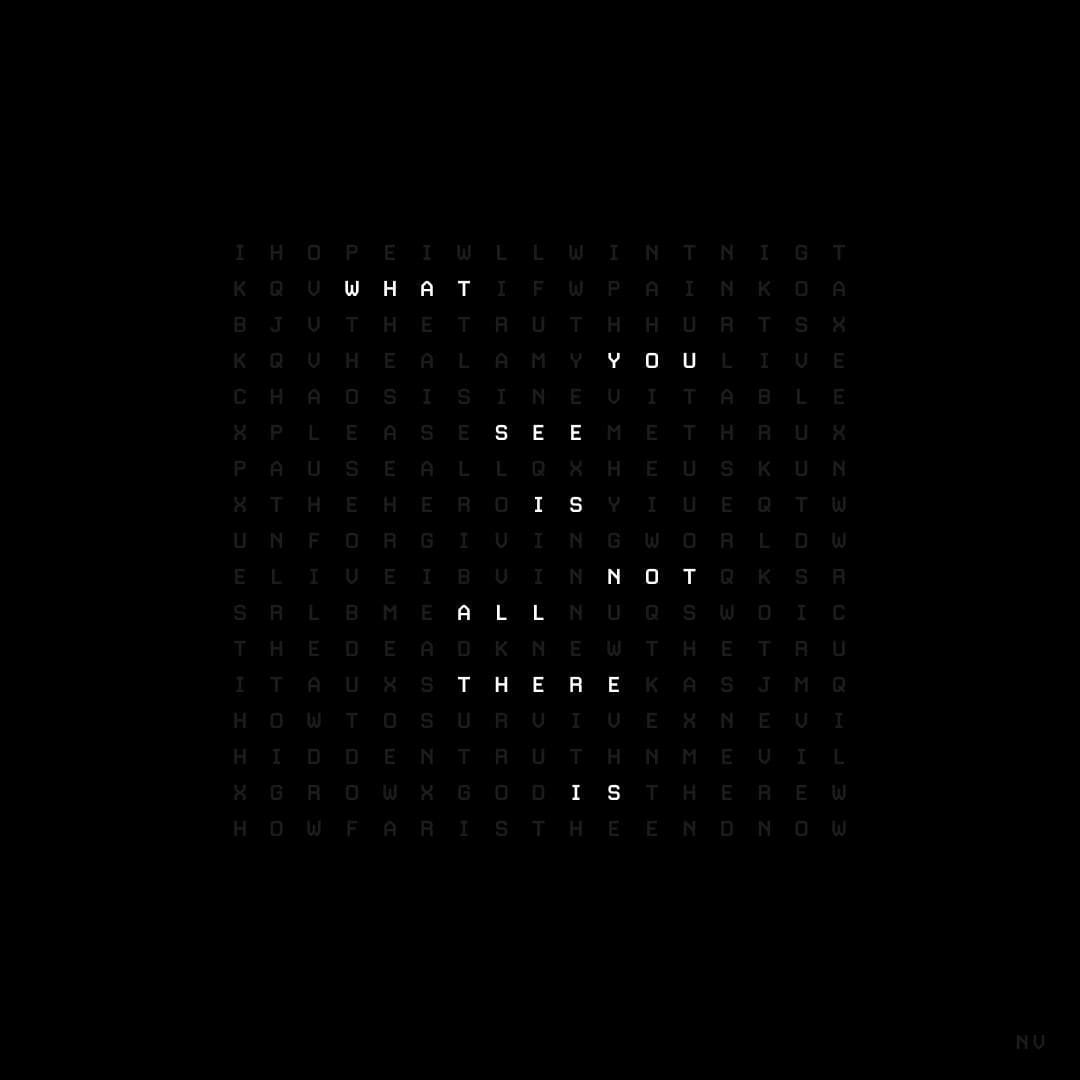
Reclaiming Real Choice
True choice is not loud.
It does not rush.
It does not perform.
It arrives quietly, often wrapped in discomfort, asking you to pause where the world insists you hurry. Real choice rarely aligns with what is trending, applauded, or instantly understood. It asks for something far more intimate: your presence.
It requires enough stillness to hear your own inner knowing beneath the noise of suggestion, comparison, and manufactured desire.
And in that stillness, different questions arise from discernment:
Who is this choice truly serving?
What part of me is seeking relief rather than truth?
Who would I become if no one were there to witness this decision?
In a world designed to keep you reacting, conscious choice is an act of quiet defiance.
In a distorted reality, discernment becomes elegance, clarity, and power.
Because the most dangerous illusion is not the absence of options...
it is living as if you are choosing, while never truly awake.
And once your eyes open, they do not close again.
That is the price of refinement.
And the grace of truth.
A curated Digital Atelier.
Lorem ipsum dolor sit amet, consectetur adipisicing elit. Autem dolore, alias, numquam enim ab voluptate id quam harum ducimus cupiditate similique quisquam et deserunt, recusandae.