
The Bible: An Advanced System of Technology
I haven’t touched my Bible in about a month.
I keep thinking about the one my mom has back at her house. The big, heavy one.
That version had everything: maps, illustrations, commentary, and most importantly… the forbidden books tucked between the pages. The Apocrypha.
Once you’ve read those, your relationship with the Bible changes a lot.
You start noticing what’s there… and what isn’t.
These days when I read the Bible, it’s usually online, where you can find everything.
Even the texts that quietly disappeared from many modern editions.
And the more I read what was removed, the more suspicious I become of what remained.
Inspired by God or not, the Bible has always been handled by earthly beings.
Humans have translated it, edited it, debated it, preserved it, and over all, manipulated it.
Deciding what stayed, what was removed, and what was added.
The Bible is the most influential book in human history.
Its survival its not accidental.
It reads past, present, and future in the same breath.
Sometimes it even pulls you completely out of time.
Its importance is not only religious. It is historical. Political. Philosophical.
It is a record of civilizations rising and collapsing.
The Bible is not a single book. It is a library.
A manual of human behavior written across centuries.
A collection of texts written by dozens of authors across more than a thousand years, slowly assembled into the volume we now call Scripture.
And once you start reading it that way, something interesting becomes clear.
The Bible is not simply a collection of spiritual opinions.
It behaves more like an advanced system.
Long before algorithms, programming languages, governance frameworks, and predictive models existed, the Bible presented something unmistakable:
order.
Not imposed order, but designed order.
The kind of order that suggests intelligence behind the structure.
Far from being just a religious item,
the Bible might be the most structurally advanced book ever created.
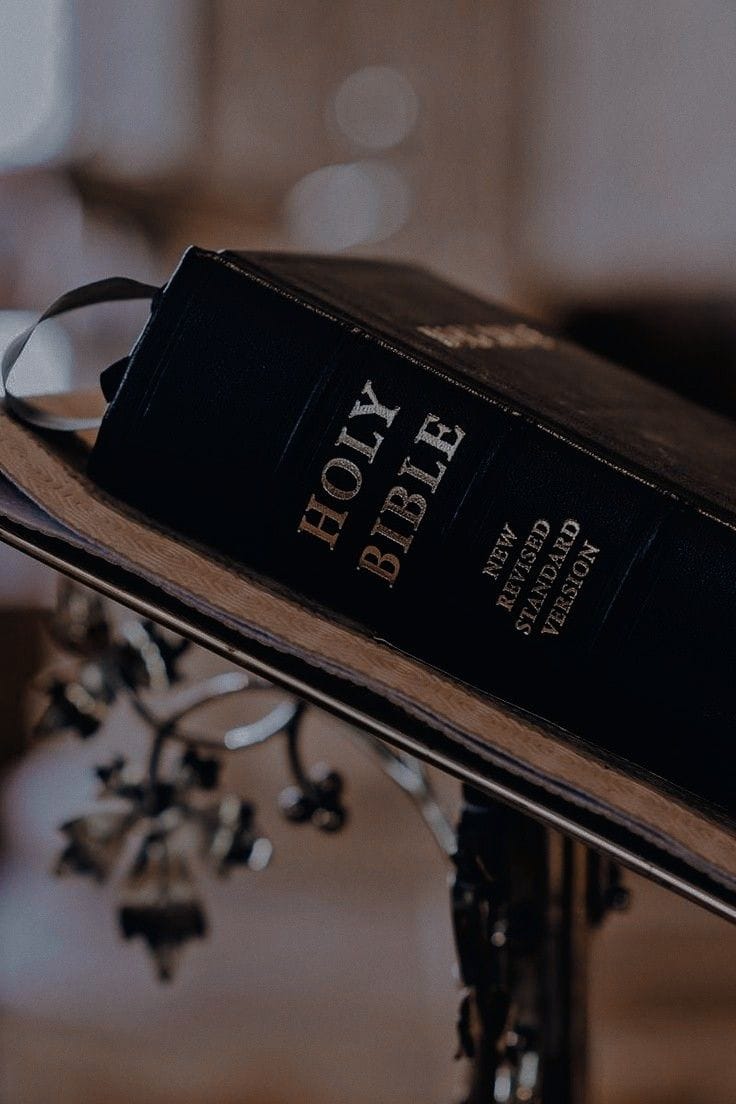
Is the Bible God-Inspired?
2 Timothy 3:16:
“All Scripture is God-breathed and useful for teaching, rebuking, correcting and training in righteousness.”
The phrase “God-breathed” comes from the Greek word theopneustos.
The Greek word θεόπνευστος (theopneustos) literally means:
theos = God
pneō / pneuma = breath / spirit
It does not necessarily mean that God dictated
every word like a robot typing through humans.
Instead, many theologians interpret it like this: human authors wrote from their own experiences, cultures, and personalities, but divine guidance shaped the moral and spiritual message over time.
Something greater than the authors themselves.
Think of it like music.
A composer guides the symphony,
but many musicians and instruments bring the notes to life.
But what many people see as evidence of the Bible’s remarkable structure is how, over time, its message forms a coherent whole.
Despite being written by many authors across centuries, the themes, moral vision, and narrative threads often connect in surprising ways.
To some readers, this feels as if something greater than a single human mind was guiding the larger story.
The result is what many believers see today:
a unified system of moral and spiritual guidance preserved across generations.
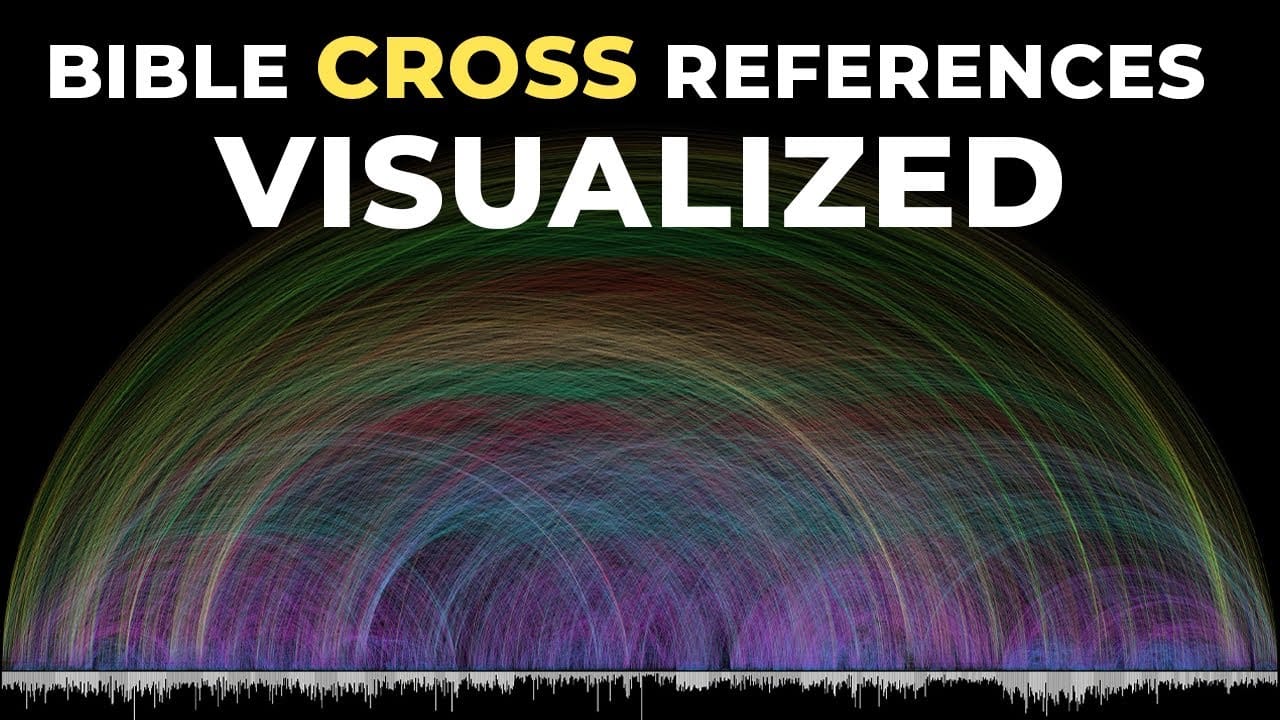
Scripture as an Intellectual Weapon
At its core, the Bible is a record of human history and human struggle.
A manual for human life.
Its teachings guide people back toward their source of creation (toward God) through righteousness, wisdom, and moral discipline.
We live in an age obsessed with intelligence.
Artificial intelligence.
Predictive analytics.
Behavioral algorithms.
Digital governance.
And yet, we are rediscovering an ancient truth:
Intelligence without wisdom collapses.
But anything that guides people toward wisdom and good,
toward clarity, toward the highest version of themselves, carries immense power.
And anything powerful can also be dangerous.
In fact, the Bible itself describes its words as a weapon.
Hebrews 4:12
“For the word of God is alive and active. Sharper than any double-edged sword, it penetrates even to dividing soul and spirit, joints and marrow; it judges the thoughts and attitudes of the heart.”
Ephesians 6:17
“Take the helmet of salvation and the sword of the Spirit, which is the word of God.”
One of the most fascinating moments appears in Matthew 4,
when Jesus is tempted by Satan in the wilderness.
Each time temptation appears, Jesus answers with the same response: “It is written.”
Scripture is not presented merely as wisdom.
It is presented as a weapon of discernment.
A weapon used not in physical battle, but in spiritual conflict.
As written in Ephesians 6:12:
“For we do not wrestle against flesh and blood, but against principalities, against powers, against the rulers of the darkness of this world, against spiritual wickedness in high places.”
A weapon can defend you.
But a weapon can also be used against you.
And according to the biblical narrative, the enemy understands this weapon very well.
In fact, one could argue that if the devil had a profession, it would be that of a lawyer.
A lawyer studies the law with precision.
He understands every clause, every technicality, every weakness in interpretation.
And in the same way, the adversary is portrayed as knowing God's law intimately.
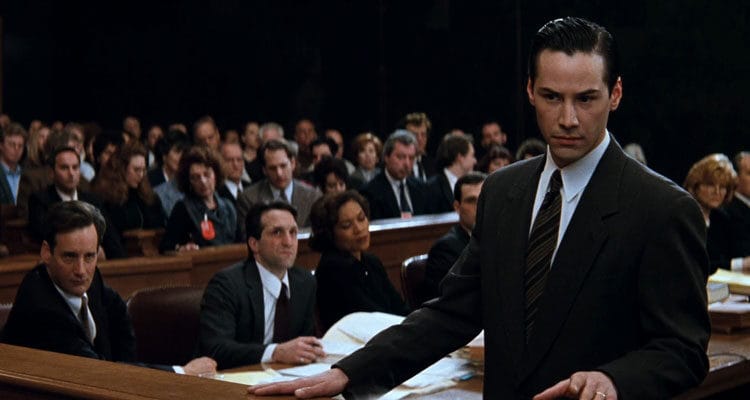
Meanwhile, many modern readers approach the Bible
without fully understanding the historical context behind its stories.
We interpret Scripture through the lens of our own experiences,
culture, education, and the limits of what we know.
Our understanding is often shaped by fragments.
The historical world surrounding the text like the politics,
the cultures or the conflicts, remains largely invisible to us.
Yet many teachings in the Bible are deeply
connected to real historical events and civilizations:
The flood described in the Book of Genesis.
The destruction of Sodom.
The rise and fall of kingdoms recorded in the Books of Kings.
The exile of Israel within the Babylonian Empire.
The world of the Roman Empire, in which the New Testament was written...
Across history, political and religious authorities have sometimes attempted to control access to Scripture, influence its interpretation, or determine which texts were preserved.
And yet the Bible remains something far more complex than a single narrative.
Some books attempt to explain origins, such as the Book of Genesis.
Some record political history, like the Books of Kings.
Others read like ancient worship poetry, such as the Book of Psalms.
Together they form a vast intellectual structure.
Again and again throughout its pages, people are saved from danger not through physical strength, but through knowledge of the word and faith in it.
Faith itself alters the human mind.
A stable belief system can regulate fear, calm the nervous system, and give people the psychological resilience to endure extreme circumstances.
Seen from this perspective, Scripture becomes something more than theology.
It becomes a system.
Software requires architecture
Governments require law
Languages require syntax
Intelligence requires pattern
And the Bible contains all of these elements at once.
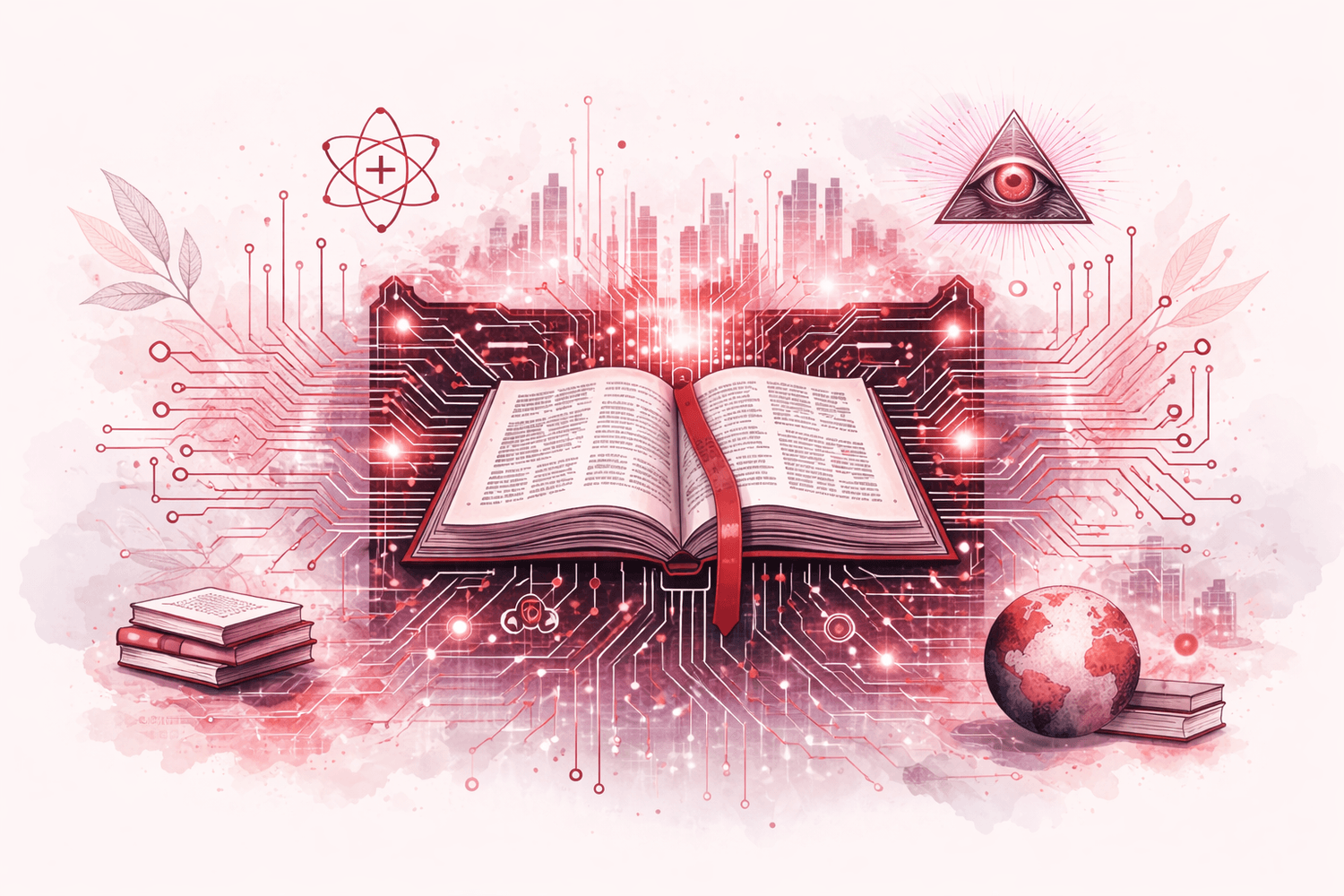
Bible In Time
(Major Historical Milestones)
Today The Bible is a carefully preserved collection of 66 texts in most modern Protestant Bibles (73 in Catholic Bibles), written by more than 40 authors across roughly 1,500 years.
A multi-century knowledge system.
The Bible was never designed as a chronological narrative.
It is a library of sacred texts written across many centuries, by different authors, in different historical moments, and gradually brought together into one collection.
That such a complex body of writing survived the rise and fall of empires is, in itself, extraordinary.
The Bible is deeply aware of time.
Seasons, generations, waiting, fulfillment, delays, sudden shifts, consequences…
Nothing arrives early. Nothing arrives late.
This mirrors how all advanced systems deploy change:
Updates require readiness
Power requires maturity
Access is granted in stages
Growth follows sequence
You cannot skip process without breaking structure.
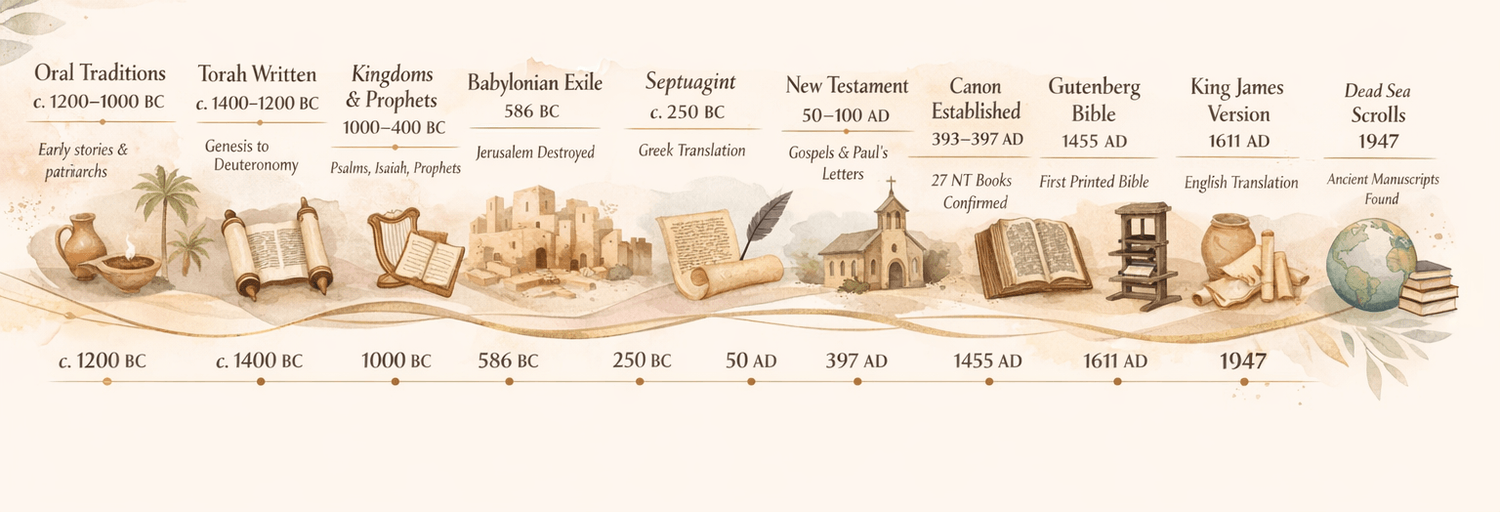
Early Oral Traditions (c. 1200–1000 BC)
Before anything was written, the stories that would become the Bible existed as oral traditions among the ancient Israelites.
These included: Creation stories, the patriarchs (Abraham, Isaac, Jacob), the Exodus from Egypt, early laws and covenant traditions...
For centuries these were memorized and recited, not written.
First Biblical Writings (c. 1400–1200 BC) - Traditionally attributed to Moses
The earliest written biblical texts are believed to be the Torah (Pentateuch):
Genesis
Exodus
Leviticus
Numbers
Deuteronomy
These texts include: The Ten Commandments, Israel’s early laws, Creation narratives, The Exodus story
Many scholars believe parts were compiled and edited later, especially during the monarchy and exile periods.
Historical and Prophetic Books Written (1000–400 BC)
During the time of the Israelite kingdoms, many other biblical books were written.
Major authors and periods
David and Solomon (~1000–900 BC)
Books attributed or connected to them:
Psalms (many attributed to David)
Proverbs (many attributed to Solomon)
Song of Solomon
Ecclesiastes
Prophetic books (800–500 BC)
Written during political turmoil and foreign invasions:
Isaiah
Jeremiah
Ezekiel
Amos
Hosea
Micah
These texts addressed: corruption, injustice, idolatry and warnings about national destruction.
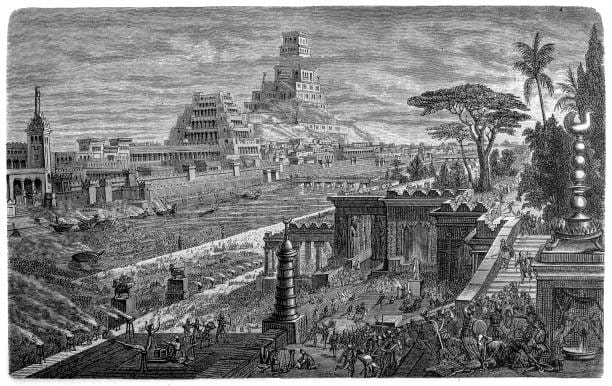
The Babylonian Exile (586 BC)
This is one of the most important editing periods in biblical history.
The Babylonian Empire destroyed Jerusalem. The temple was destroyed and Jewish elites were exiled to Babylon
During this time, older traditions were collected, texts were edited and compiled and national history was recorded.
Many scholars believe major portions of the Old Testament were finalized during this crisis.
The Greek Translation – The Septuagint (c. 250 BC)
When the Jewish population spread across the Greek-speaking world,
Hebrew scriptures were translated into Greek.
This translation is called the Septuagint (LXX).
Location: Alexandria, Egypt
Why it matters:
Greek became the dominant language of the Mediterranean.
Many early Christians later used the Septuagint instead of Hebrew texts.
Writing of the New Testament (50–100 AD)
The New Testament was written within about 50 years of Jesus’ life.
Paul the Apostle (~50–65 AD)
Letters:
Romans
Corinthians
Galatians
Ephesians
Philippians
Thessalonians
Timothy
Titus
These are the earliest Christian writings.
The Gospels
Written later:
Mark (~65–70 AD)
Matthew (~70–85 AD)
Luke (~80–90 AD)
John (~90–100 AD)
These recorded the life and teachings of Jesus.
By around 100 AD, the main New Testament books had been written.
The Canon Debate (100–400 AD)
For several centuries, Christians debated which books should be considered Scripture.
Many texts circulated.
By the 4th century, the church began formalizing the canon.
367 AD – Athanasius lists the 27 New Testament books
Council of Hippo (393 AD)
Council of Carthage (397 AD)
These councils recognized the 27-book New Testament used today.
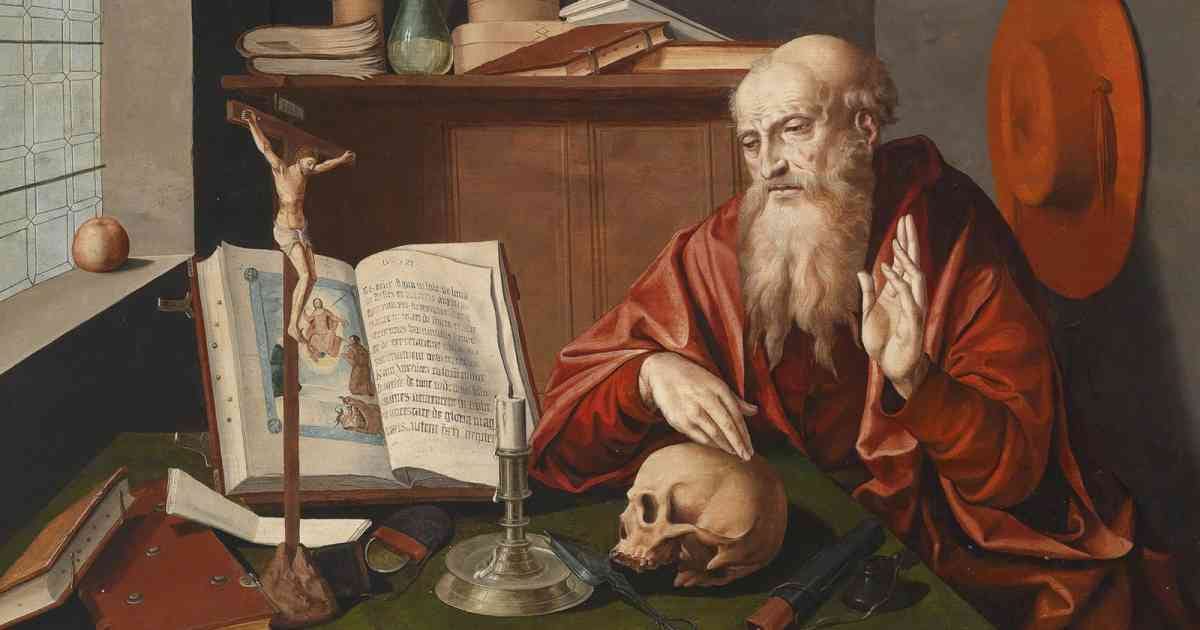
The Latin Vulgate (382–405 AD)
Jerome, a Christian scholar, translated the Bible into Latin.
Commissioned by: Pope Damasus I
Result: The Latin Vulgate
This version became the standard Bible of Western Christianity for over 1,000 years.
(Notice the symbology surrounding the artistic depictions of Saint Jerome, the scholar who translated the Bible.)
Spanish Inquisition (1400s)
Authorities ordered the destruction of:
Hebrew books
Bibles translated into local languages
Some laws prohibited vernacular translations (Bibles in everyday language).
The reasoning was often political:
Control of interpretation meant control of doctrine and power.
John Wycliffe’s English Bible (1382)
John Wycliffe produced the first complete English translation of the Bible.
Because it challenged church authority:
his followers were persecuted
copies of the Bible were burned
his bones were later exhumed and burned by authorities
The Printing Press Revolution (1450–1455)
Johannes Gutenberg invented the movable-type printing press.
The first major printed book:
The Gutenberg Bible (~1455).
Impact:
Bibles could finally be mass produced
Scripture spread across Europe rapidly
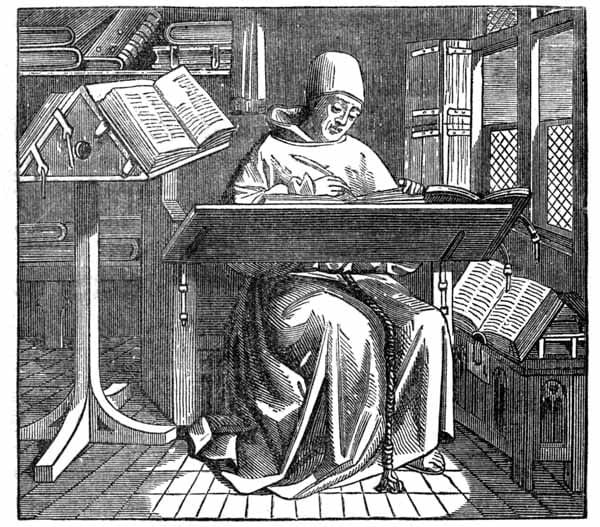
Before this, every Bible had to be copied by hand.
William Tyndale Executed (1536)
English scholar William Tyndale translated the Bible directly from Hebrew and Greek into English.
This angered authorities.
Outcome:
he was arrested
tried for heresy
executed by strangulation and burning in 1536
Ironically, much of his wording later shaped the King James Bible published in 1611, which became one of the most influential translations in history.
The Protestant Reformation (1500s)
Reformers like Martin Luther translated the Bible into common languages.
Examples:
Luther Bible (German, 1522)
Tyndale Bible (English, 1526)
This movement insisted that ordinary people should read Scripture themselves.
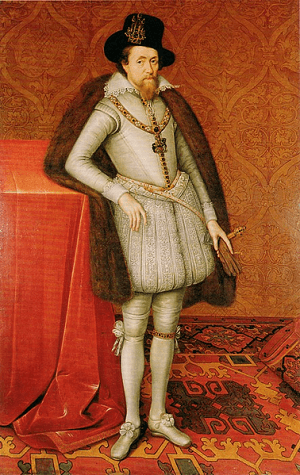
The King James Bible (1611)
Commissioned by: King James I of England
Purpose:
unify different Christian factions
replace earlier English translations
The King James Version (KJV) became one of the most influential books in English history.
King James I himself had a strong fascination with the supernatural. He even wrote a treatise titled Daemonologie (1597), a book exploring witchcraft, demons, and the spiritual world, reflecting the intense fears and beliefs surrounding occult practices in his time.
(Yup)
Chapter and Verse System (1200–1500s)
Originally the Bible had no chapters or verses.
Later additions:
Chapters added around 1227
Verse numbers added around 1550
These helped readers navigate the text.
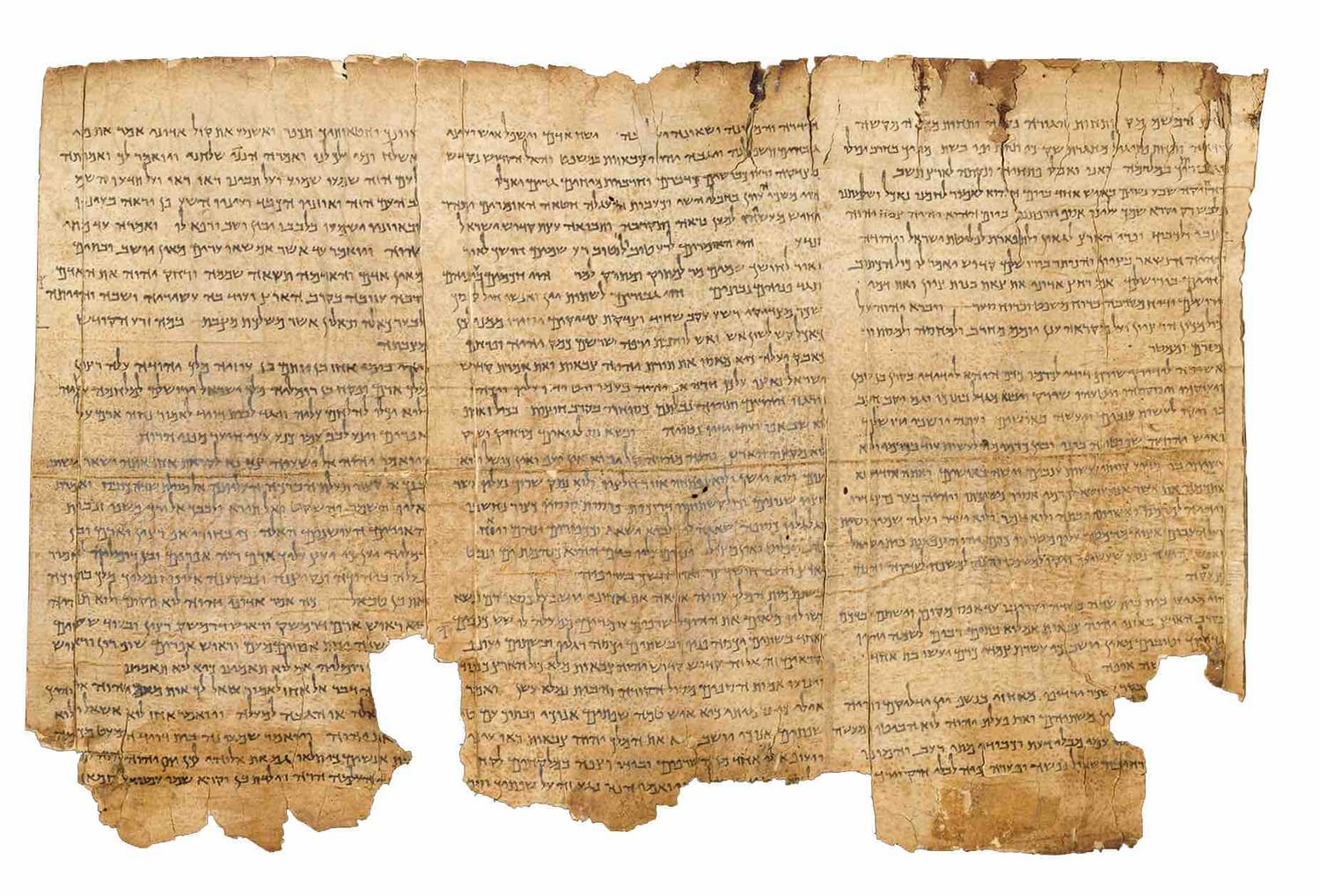
The Dead Sea Scrolls Discovery (1947)
One of the most important discoveries in biblical history.
Location: Qumran caves near the Dead Sea
Findings:
manuscripts from 200 BC
oldest known biblical texts
They confirmed that the biblical text had been
preserved with remarkable accuracy for over 1,000 years.
Modern Bible Translations (1900s–Present)
Scholars began using: earlier manuscripts, archaeology, linguistic research
Important translations:
Revised Standard Version (1952)
New Revised Standard Version (1989)
English Standard Version (2001)
The Bible did not appear at once.
It passed through stages:
Oral traditions
Early Hebrew writings
Prophetic and historical books
Compilation during exile
Greek translations
New Testament writings
Canon debates
Latin standardization
Suppression attempts
Reformation translations
Printing revolution
Modern scholarship
Across 3 millennia, the text has survived: empires collapsing, political censorship, religious conflicts, language shifts, attempts to destroy or control it...
Yet it remains the most distributed book in human history.
The Bible is not outdated.
It is foundational.
Not a superstition to escape reason, but a system that trained humanity in order, law, language, and foresight long before we had names for them.
Technology is not "catching up" in modern times.
In truth, God was never behind.

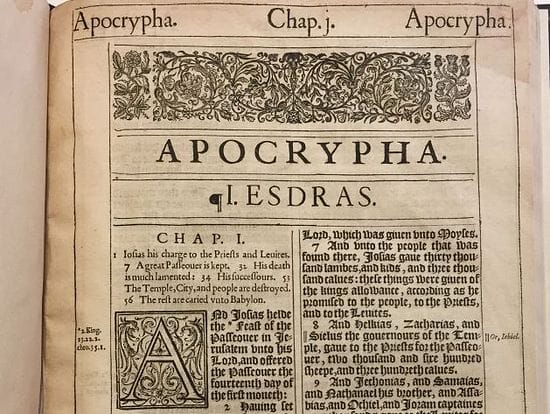
The Appocrypha
And what about all the books they removed from the Bible?
The word Apocrypha simply means “hidden” or “set aside.”
It refers to ancient Jewish and early Christian writings that were included in some Bibles but excluded from others during the process of canon formation.
To understand this clearly, we have to separate three different groups often mixed together:
Deuterocanonical books – accepted by Catholic and Orthodox Bibles but removed from most Protestant Bibles.
Jewish apocryphal writings – ancient texts respected historically but not considered scripture by Jewish authorities.
New Testament apocrypha – later Christian writings about Jesus or the apostles that early church leaders rejected.
The removal happened during the Protestant Reformation,
when reformers like Martin Luther challenged the authority of the Catholic Church.
The arguments for removing them were mainly:
They were not part of the Hebrew Bible
Some teachings conflicted with Reformation theology
Language and authorship issues
Bunch of BS, if you ask me…
The truth is that many of these texts challenged the theological narratives supported by emerging religious authorities.
Ideas that emphasized a direct connection between individuals and the divine sometimes reduced the need for institutional mediation. For this reason, such teachings were not always encouraged by the religious structures that were forming at the time.
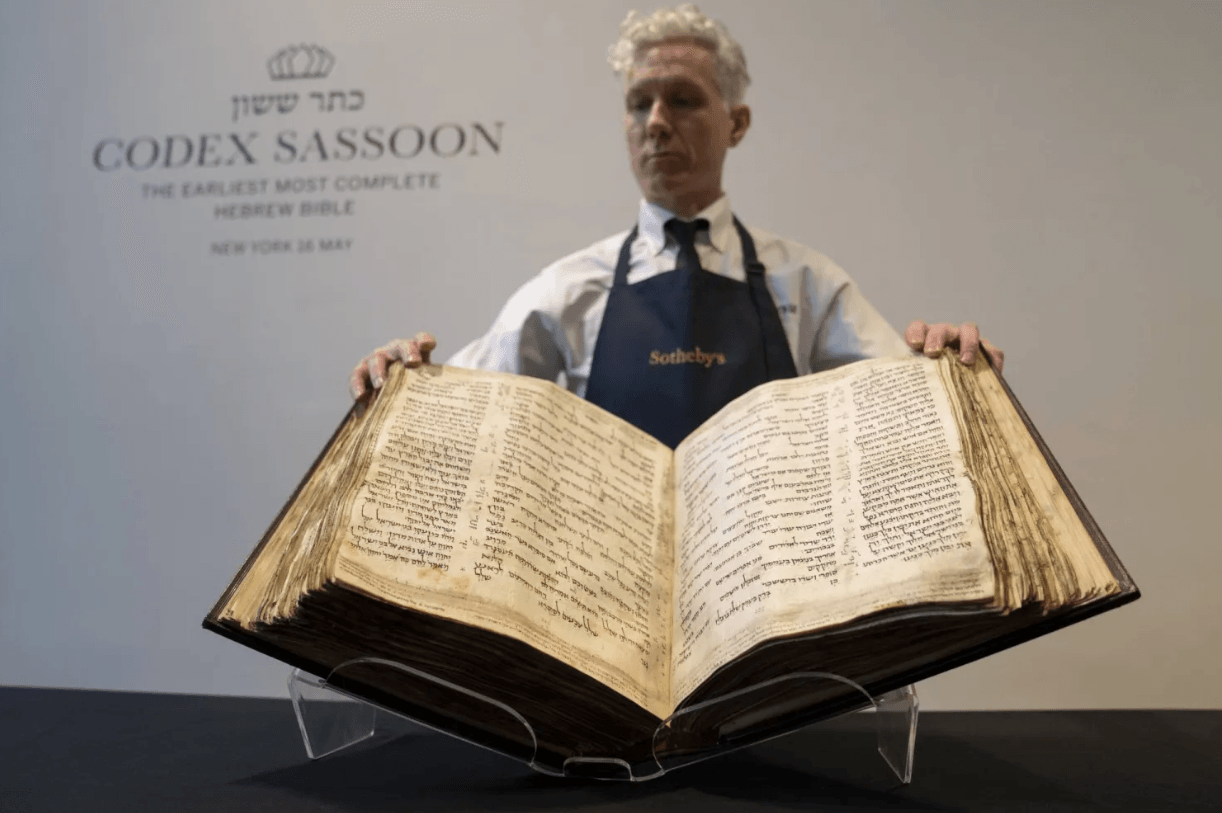
The Codex Sassoon, the oldest and most complete Hebrew Bible,
was sold at Sotheby's in New York on May 17, 2023, for $38.1 million USD (£30.6 million)
The Deuterocanonical Books (Catholic “Apocrypha”):
Tobit
Judith
Wisdom of Solomon
Sirach (Ecclesiasticus)
Baruch
1 Maccabees
2 Maccabees
There are also three additional sections attached to other books:
Additions to Esther
Prayer of Azariah
Song of the Three Holy Children (added to Daniel)
Susanna (Daniel)
Bel and the Dragon (Daniel)
So technically there are 12 Deuterocanonical sections total,
though they are usually grouped as 7 books + additions.
Additional Books in some Orthodox Bibles
Some Eastern Orthodox traditions include extra texts beyond the Catholic list:
3 Maccabees
1 Esdras
Prayer of Manasseh
Psalm 151
4 Maccabees (sometimes appendix)
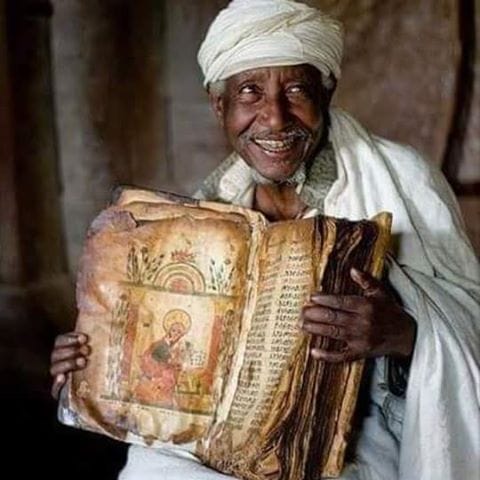
The Ethiopian Orthodox Church includes even more unique books.
Jewish Pseudepigrapha (Ancient Apocryphal Literature)
These texts were never part of most biblical canons but circulated widely.
These are ancient Jewish writings from roughly 200 BC – 200 AD.
1 Enoch
2 Enoch
3 Enoch
Book of Jubilees
Testament of the Twelve Patriarchs
Assumption of Moses
Apocalypse of Abraham
4 Ezra (2 Esdras)
2 Baruch
3 Baruch
Book of the Covenant
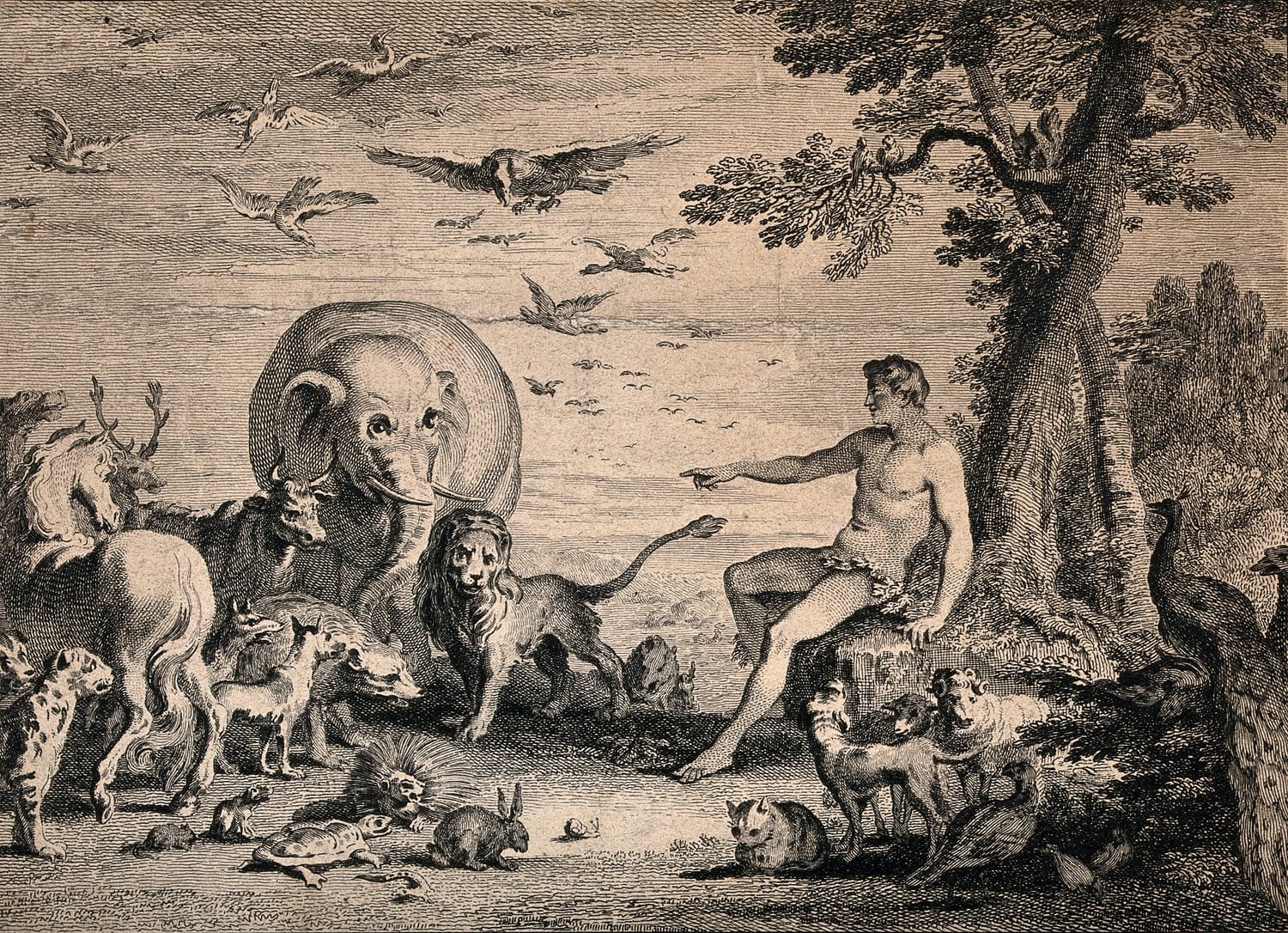
Life of Adam and Eve
Book of Giants
Apocalypse of Zephaniah
Testament of Abraham
Testament of Moses
Martyrdom of Isaiah
Sibylline Oracles
New Testament Apocrypha
These are early Christian writings outside the New Testament canon.
Gospel of Thomas
Gospel of Mary
Gospel of Peter
Gospel of Judas
Acts of Paul and Thecla
Infancy Gospel of Thomas
Protoevangelium of James
Gospel of the Hebrews
Gospel of the Egyptians
Gospel of Philip
Gospel of Truth
Acts of Paul and Thecla
Acts of Peter
Acts of Thomas
Acts of Andrew
Acts of John
Apocalypse of Peter
Apocalypse of Paul
Bible as Tech
Modern minds resist law, assuming it restricts freedom.
But in every advanced system, law enables function.
Without rules, software crashes
Without boundaries, ecosystems collapse
Without law, power becomes corruption
Biblical law was never about control, it is about alignment.
The commandments read less like moral scolding and more like system safeguards:
Do not corrupt the source
Do not steal resources
Do not distort truth
Do not fracture trust
Do not confuse desire with ownership
These are not religious rules.
They are operational principles.
Break them and the system degrades.
Sounds familiar?

Language: The First Interface
Before anything existed, there was language.
“And God said…”
Creation begins with speech.
Language is not decoration, it is interface.
Words assign meaning. Meaning directs behavior. Behavior shapes reality.
This is why the Bible is obsessive about words:
Blessings and curses
Names and renaming
Declarations and covenants
Truth and falsehood
In modern systems, language still governs reality:
Code executes behavior
Legal language enforces power
Narratives shape identity
Algorithms respond to prompts
The Bible understood this first.
Words are not neutral.
They build worlds.
Prophecy is not prediction, It’s Pattern Recognition
Prophecy is often misunderstood as mystical fortune-telling.
It is not.
Prophecy is pattern awareness over time.
In advanced systems, prediction is based on:
Input, Trajectory, Behavior and Repetition
The Bible observes humanity with brutal clarity:
Power corrupts, pride blinds, fear repeats, empires rise and fall, human nature loops…
Prophecy does not override free will.
It maps outcomes.
When conditions repeat, results repeat.
That is not magic. Nor supernatural powers.
That is systems intelligence.

The Bible: Ancient Technology Still in Operation
The Bible is not anti-technology.
It is anti-hubris.
It warns against: Power without accountability, Knowledge without humility, Creation without reverence, Intelligence without love
Advanced systems fail when they forget their purpose.
So do civilizations.
The Bible contains thousands of years of human experience condensed into narrative.
You see: power struggles, jealousy, betrayal, redemption, love, fear, ambition, faith...
The characters are deeply human.
Kings fall because of pride.
Prophets wrestle with doubt.
Entire nations repeat destructive cycles.
In many ways, it reads like a long case study of human behavior.
That’s why people across centuries still find themselves reflected in its stories.
The Bible circles around questions that never really disappear:
Why do humans do evil?
What does a good life look like?
Is there meaning beyond survival?
What does justice look like?
Is there a creator behind reality?
Even people who ultimately disagree with its answers benefit from wrestling with the questions.
Those questions shape philosophy, spirituality, and personal identity.
Few books in history have been:
banned
burned
translated
debated
preserved
as intensely as the Bible.
Entire empires attempted to eliminate it.
And yet it continued to spread.
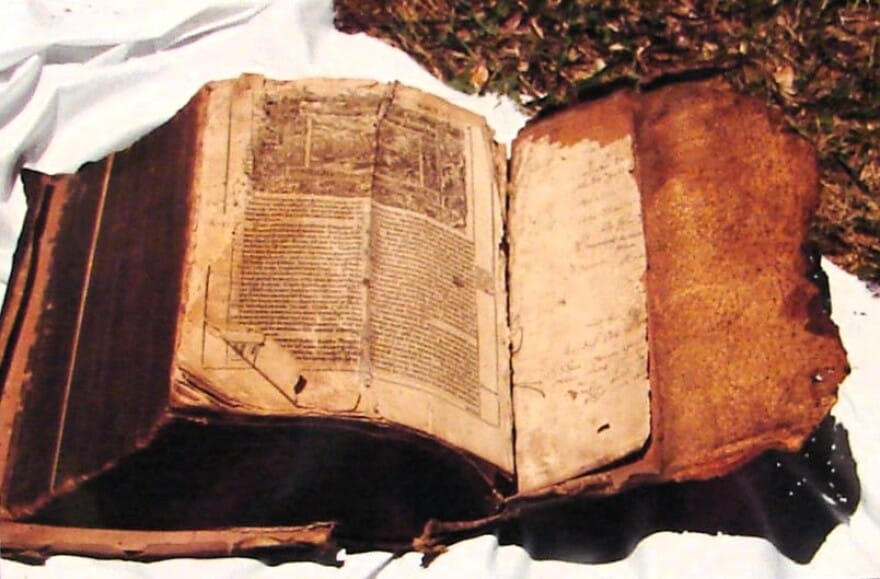
Today it remains the most translated book in human history,
available in more than 3,000 languages.
Whether someone views it as sacred or historical,
that level of endurance is remarkable.
That endurance raises a deeper question.
Why does this collection of ancient texts continue to
survive every age that tries to move past it?
The Bible does not survive because every reader agrees with it.
It survives because it refuses to stop confronting us.
Across centuries it continues to press on the same fault lines of the human condition: pride, power, justice, mercy, fear, love, responsibility.
In that sense, it behaves less like a relic of the past and more like a system that keeps activating wherever human beings encounter it.
An ancient technology still running.
Not because it forces belief.
But because it continues to provoke the most dangerous and transformative act a human mind can perform:
Reflection.
And perhaps that is why it has never truly disappeared.
As long as human beings continue searching for meaning, truth, and the limits of their own power, the questions embedded in its pages will remain alive.
And systems that ask the right questions rarely go obsolete.

A curated Digital Atelier.
All Rights Reserved.